
Which roofing material is better for a home in Amsterdam?
Neither asphalt shingles nor metal roofing is automatically the right choice for every house. Asphalt shingles usually offer a lower initial cost and a familiar appearance, while metal roofing can provide longer service life, strong snow-shedding ability, and reduced maintenance in some situations.
For homeowners in Amsterdam, the decision should account for winter weather, summer heat, roof design, attic ventilation, future repair needs, and how long the household expects to remain in the property. The roof’s installation quality often matters just as much as the material itself.
How do asphalt shingles and metal roofing differ?
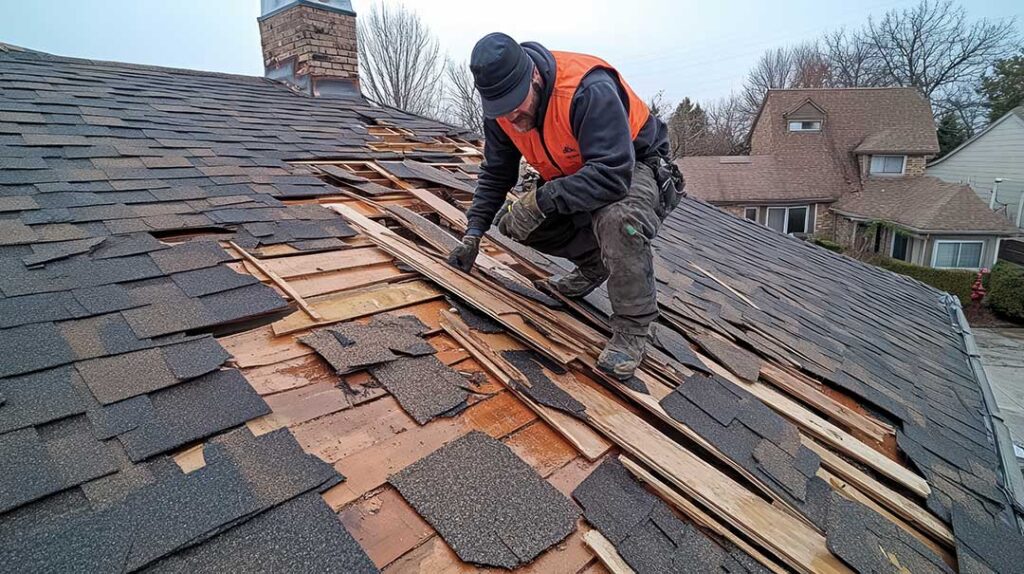
Asphalt shingles are layered roofing products made with a fiberglass base, asphalt coating, and mineral granules. They are installed in overlapping courses over a roof deck and are available in several styles and colors.
Metal roofing is made from formed panels or metal shingles. Common systems use coated steel or aluminum, with seams or fasteners designed to keep water out. The appearance can range from traditional vertical panels to profiles that resemble slate, tile, or wood shakes.
The most noticeable differences are usually:
- Initial cost: Asphalt shingles generally cost less to purchase and install.
- Expected service life: Metal roofing often lasts longer, although the actual life depends on the material, coating, ventilation, snow exposure, and installation.
- Weight: Metal is relatively lightweight, while some asphalt systems add more weight to the roof structure.
- Maintenance: Both systems need periodic inspection, but metal can have fewer problems related to granule loss and shingle aging.
- Appearance: Asphalt provides a conventional residential look; metal offers both modern and traditional design options.
- Repair methods: Asphalt shingles are typically simple to replace in small sections. Metal repairs may require matching panels, correcting fasteners, or addressing movement around seams.
How do they perform during Amsterdam winters?
Both materials can work well in a cold-weather climate when properly designed and installed. Snow, ice, freeze-thaw cycles, wind, and moisture create more stress than the roofing material alone.
Metal roofing sheds snow more readily because its surface is smooth. That can reduce the amount of snow remaining on the roof, but it also creates a safety concern near entrances, walkways, parked vehicles, and lower roof sections. Snow guards may be appropriate where sliding snow could cause injury or property damage.
Asphalt shingles do not usually shed snow as quickly. This can be useful where sudden snow release would be dangerous, but accumulated snow places additional weight on the roof. Adequate structural support, attic ventilation, underlayment, and proper flashing are important for either system.
Ice dams are often blamed on the roofing material, but they are more closely connected to heat escaping from the living space, inadequate insulation, poor attic ventilation, and uneven roof temperatures. A metal roof does not automatically prevent ice dams, and new shingles will not correct a poorly ventilated attic.
Which option lasts longer?
Metal roofing commonly has a longer potential service life than asphalt shingles. Depending on the system and conditions, a properly maintained metal roof may remain functional for several decades. Coatings can eventually fade or wear, and exposed fasteners, sealants, flashing, and penetrations may require attention before the panels themselves reach the end of their useful life.
Asphalt shingles generally have a shorter service life, particularly when exposed to repeated freeze-thaw cycles, high winds, poor ventilation, or installation problems. Shingles can lose granules, curl, crack, or become brittle over time. Dark streaks may appear from algae growth, although staining does not always mean the roof is failing.
Manufacturer life ratings should not be treated as guarantees. A roof’s actual performance depends on sunlight, moisture, roof slope, air movement in the attic, debris, foot traffic, and whether small defects are repaired before water reaches the roof deck.
Is metal roofing noisier during rain or hail?
Metal roofing can sound louder during rain, sleet, or hail, especially when installed over an open framing system or a thin roof assembly. In a typical home with insulation, roof decking, and finished ceilings, the difference may be less noticeable than many people expect.
Sound levels depend on the entire roof assembly, not only the outer surface. Insulation, underlayment, decking, and attic configuration all affect interior noise. Homeowners who are especially sensitive to sound should consider the roof assembly as a whole rather than choosing based only on the panel material.
Which roof is easier to repair?
Asphalt shingles are usually easier to repair when damage is limited to a small area. Individual shingles can often be replaced, although matching an older roof may be difficult if the color or product line has changed.
Metal roofing can also be repaired, but the work may involve replacing a full panel, correcting a seam, resealing a penetration, or addressing expansion and contraction. Scratches, dents, and damaged coatings should be evaluated carefully. A small dent may be cosmetic, while damage near a seam or fastener can allow water entry.
Neither material should be judged only by how easy a single repair appears. Flashing around chimneys, skylights, walls, and roof edges is often more vulnerable than the broad field of the roof.
Does metal roofing save money over time?
Metal roofing may have a higher initial cost but can provide a longer period before full replacement becomes necessary. It may also reduce the frequency of reroofing and limit certain maintenance concerns.
That does not automatically make it the less expensive option over a home’s entire life. The calculation depends on installation cost, financing, repair needs, coating life, energy use, insurance considerations, and how long the property will be owned.
Asphalt shingles may be more practical for a homeowner planning to move within a shorter period, especially if the existing roof structure and design are well suited to shingles. A long-term owner may place greater value on durability and fewer replacement cycles.
Energy savings should also be viewed carefully. A reflective metal surface can reduce heat gain under some conditions, but attic insulation and ventilation usually have a larger effect on year-round comfort and energy performance.
What roof details deserve the most attention?
The material comparison is only part of the decision. Before choosing a system, consider:
- Roof slope and whether snow is likely to slide toward walkways or entrances
- Existing roof deck condition
- Attic insulation and ventilation
- Chimneys, skylights, dormers, valleys, and wall intersections
- Flashing condition around all penetrations
- Roof drainage, gutters, and downspout placement
- Wind exposure and nearby trees
- Whether future additions, solar equipment, or roof penetrations are likely
- Local requirements for permits, structural changes, and disposal of old roofing
A steep roof may shed snow differently from a low-slope roof. A complex roof with many valleys and penetrations may require more detailing regardless of the selected material. A simple roof may make either system easier to install and maintain.
Which choice makes sense for most homeowners?
Asphalt shingles are often the practical choice when keeping initial costs lower, matching an existing residential appearance, or making straightforward repairs is the priority. They are widely understood and can perform reliably when the roof deck, flashing, ventilation, and installation are sound.
Metal roofing may be a stronger fit when long service life, lightweight construction, snow shedding, or reduced replacement frequency matters most. It requires careful planning around snow guards, fasteners, flashing, expansion, and sound control.
For any roof, warning signs such as active leaks, sagging, daylight through the roof deck, missing sections, damaged flashing, or heavy ice buildup deserve prompt attention. Roof work can involve fall hazards and hidden structural damage, so unsafe conditions and major repairs should be assessed by a qualified roofing professional.
The most reliable choice is the system that fits the home’s structure, roof shape, winter conditions, budget, and expected ownership period—not simply the material with the longest advertised lifespan.
