
What Should You Do First if You Notice a Leak?
If water suddenly appears on your ceiling, walls, or attic after rain or melting snow, quick action can limit damage. The first step in Amsterdam, NY, is to safely contain the water and reduce moisture spreading. Use buckets, towels, or waterproof containers to catch drips. If possible, protect nearby belongings by moving them from the area or covering them with plastic.
Turn off electricity if the leak is near outlets or fixtures. Electrical safety is a real concern when water is entering a living area, especially in homes with older wiring, which is common in some of Amsterdam’s historic neighborhoods.
How Can You Find the Source of the Leak?
Leaks often start small and can be tricky to pinpoint, especially in Amsterdam where homes range from historic brick houses to modern bungalows. Look for wet spots, water stains, or bubbling paint on ceilings and walls. In attics, check rafters and insulation for dampness. Follow the moisture uphill toward the roof—a leak may travel before it appears inside.
If snow or ice recently thawed, check areas near chimneys, roofing valleys, or vents, as these are common spots where water gets in. Heavy winds and storms that hit the area can also cause shingles to lift, making leaks more likely along the roof's edge or valleys.
What Temporary Steps Can Prevent Additional Damage?
After stopping the immediate indoor spread, prevent the leak from worsening:
- Place containers to catch drips and change them as needed.
- Dry up pooled water to reduce damage to flooring or furniture.
- Gently puncture a bulging ceiling bubble with a screwdriver. This allows trapped water to drain in a controlled way before it causes more widespread ceiling damage, but only if it’s safe to do so.
- If accessible and safe, use a tarp on the exterior roof to shield the area. Use heavy objects to secure the tarp, but do not attempt this during severe weather or if the roof is icy or slippery.
Don’t go onto the roof during storms, in freezing conditions, or if you’re uncomfortable with heights—falls are a significant hazard, especially in wintery Amsterdam conditions.
How Does Local Climate Affect Roof Leaks?
Amsterdam, NY sees four seasons, including heavy rains in spring, summer storms, freezing winters, and snowmelt. Each weather pattern impacts roof vulnerability:
- Snow and ice dams: When snow melts and refreezes at the roof’s edge, trapped water can back up and enter under shingles. This is common in late winter and early spring.
- Wind-driven rain: Strong summer storms may drive rain under shingles or flashings, especially on older roofs or around skylights and chimneys.
- Freeze-thaw cycles: Sudden temperature changes can cause materials to contract and expand, opening up gaps.
Understanding these local weather risks helps residents recognize why leaks might occur after particular weather events.
What Should You Avoid Doing?
Some quick fixes can actually make things worse. Avoid these mistakes:
- Don’t use caulk or roof cement as a permanent repair—these often fail quickly with changing temperatures and moisture.
- Do not cover attic vents, as this traps moisture and contributes to mold or wood rot.
- Avoid removing shingles or attempting structural repairs unless you have relevant experience and safety equipment.
- Never ignore signs of mold or a persistent, musty smell—this can be a symptom of slow leaks or repeated dampness, which are unhealthy for indoor air.
When Is It Unsafe to Handle a Leak on Your Own?
Certain situations require caution and outside expertise. These include:
- If water is leaking near electrical panels or wiring
- If part of the ceiling has sagged dramatically
- After a windstorm, hailstorm, or when large sections of shingles are missing
- If mold is widespread or people in the home have sensitivities to allergens
- When the roof is too steep, icy, or otherwise unsafe to access
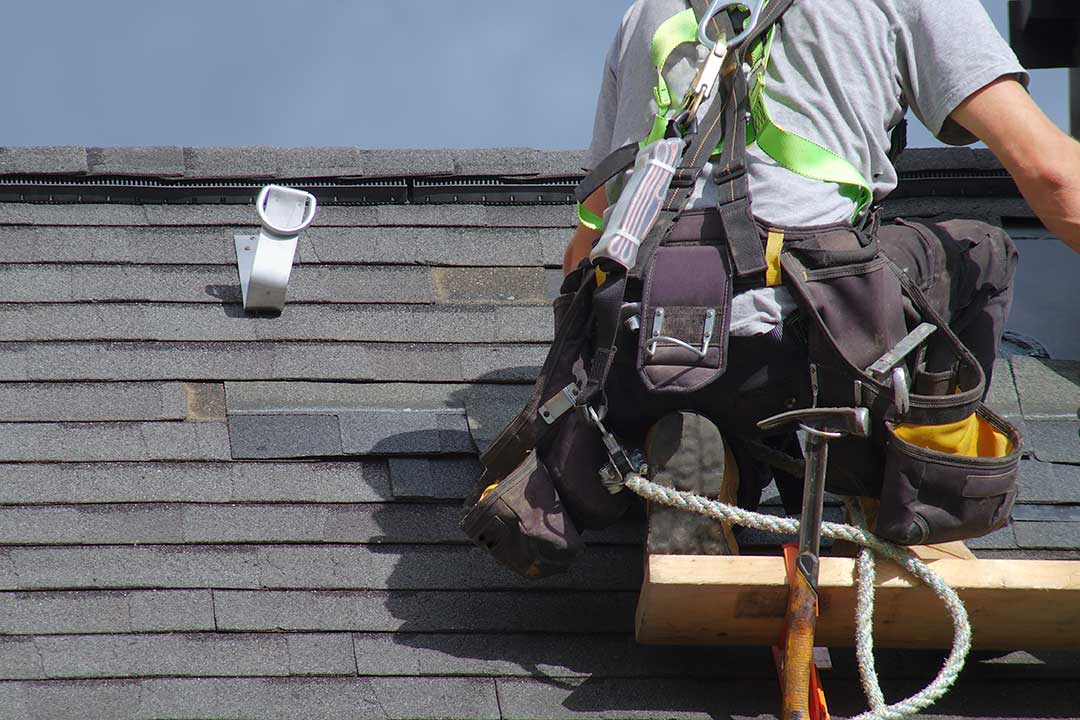
Amsterdam’s older homes can sometimes have unique structural elements or hidden hazards in attics. If a situation feels risky, prioritize personal and household safety first.
What Repairs Can Area Homeowners Do Themselves?
Temporary protection is possible for small or accessible leaks. After the area is safe and dry, residents sometimes:
- Install a tarp over a small section of roof, securing the edges under shingles and with boards or bricks
- Re-clamp or secure loose vent pipes (if the issue is obvious and can be done without roof climbing)
- Replace attic insulation after it has dried, to prevent lingering moisture issues
Permanent repairs, such as replacing damaged shingles or flashing, are best left for good weather and when proper tools and safety habits are in place.
What Are Common Myths About Roof Leaks in the Community?
There are several persistent myths about roof leaks:
- Myth: “A small leak always stays small.” Minor leaks can worsen quickly with rough local weather.
- Myth: “Attic fans or dehumidifiers will solve a leak.” These tools help dry out spaces but don’t stop active water entry.
- Myth: “You can just ignore the leak until summer.” Water can damage insulation, wood, and ceilings even with minor drips—and mold grows very quickly in damp seasons.
How Can Residents of Amsterdam, NY Prepare to Prevent Future Leaks?
While leaks happen unexpectedly, some preparation helps reduce the risk:
- Regularly clear gutters and downspouts, especially after fall leaves or spring pollen
- Remove snow build-up safely from the roof’s edge during heavy winters to avoid ice dams
- Inspect for missing shingles after major storms or heavy winds
- Trim branches that hang over roofs, as falling limbs can damage shingles
These small steps, appropriate for the four-season climate in Amsterdam, reduce the ongoing risk of leaks and moisture problems.
