
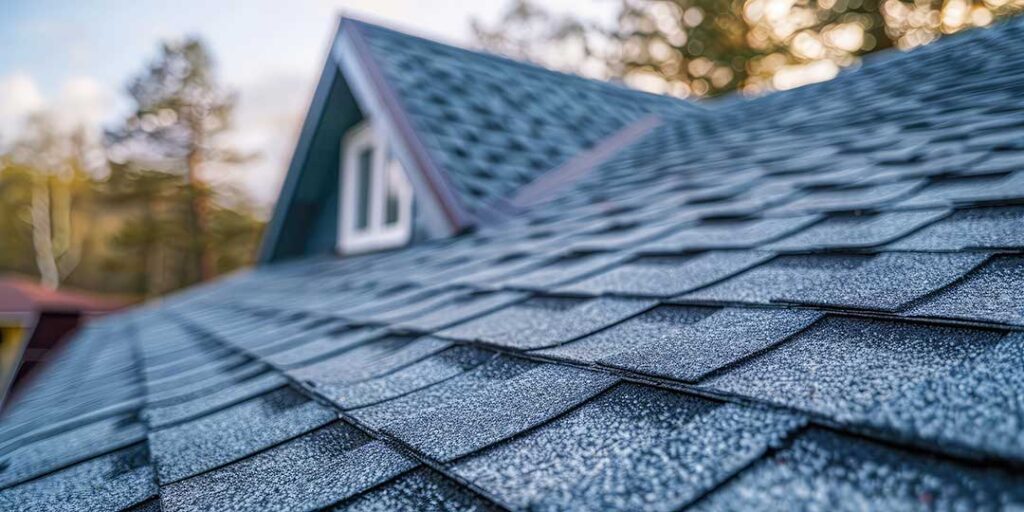
Why Do Roof Problems Seem Easy to Ignore?
Small leaks, missing shingles, or dark patches might not look serious, especially if they don’t cause immediate issues inside a home. In Amsterdam, NY, seasonal weather changes—snow in winter, heavy spring rains, and summer sun—often cause gradual wear that may go unnoticed. Many area residents delay repairs, hoping the problem is minor or won’t get worse. Unfortunately, waiting rarely makes roof issues disappear.
How Can Minor Issues Turn Into Bigger Problems?
Even a tiny leak or loose shingles often lead to bigger, more expensive damage over time. Water intrusion is the biggest concern. On the surface, a water stain on the ceiling or attic might seem harmless. Yet, in Amsterdam’s climate, repeated snow melts, rain, and humidity speed up the damage.
- Water penetration can saturate insulation, making it ineffective and raising utility bills.
- Wood framing and rafters can rot and lose strength, threatening the stability of entire sections of the roof.
- Moisture behind walls may lead to bubbling paint, damaged plaster, or warped drywall.
- Mold and mildew thrive in damp environments, especially in homes that stay closed up during cold winters.
Unattended, a simple repair may turn into the need for new insulation, replacing structural beams, or fully redoing the roof.
What Are the Health and Safety Risks?
Ignoring leaks or roof damage isn’t just a cosmetic issue. Persistent dampness allows mold to grow, which can cause respiratory issues—especially in seniors, children, and those with allergies. In the cooler, humid months common in the city, mold spreads quickly in poorly ventilated attics.
Rotting roof supports or waterlogged ceilings risk collapse after heavy snow or ice loads. In neighborhoods with older homes, this is more than a remote possibility. Gutters clogged from neglected maintenance can back up, letting water pool near the foundations and even freeze, causing additional hazards.
Could Roof Problems Affect Heating and Cooling Costs?
A damaged roof almost always means higher energy bills for area households. Poor insulation from moisture, air leaks through gaps, or warped decking allow heat to escape during Amsterdam winters and cause cool air to leak out in summer.
- Heating systems work harder, shortening their lifespan.
- Homes feel drafty, even with newer windows and doors.
- Ice dams form more easily, causing water to back up under shingles and further damage the roof.
Fixing roof vulnerabilities early saves on both repairs and utility costs.
Will Insurance Cover Damage If Repairs Are Delayed?
Many local residents are surprised to learn that delaying roof repairs can jeopardize homeowners insurance claims. Insurers often consider lack of maintenance as “neglect,” making claims for resulting damage more difficult—especially if a small problem was allowed to become a major one over several seasons.
Documentation of regular maintenance and quick attention to issues helps support claims. Without it, the cost of repairs or replacement often falls entirely on the homeowner—an avoidable financial strain.
How Do Roof Issues Affect the Value and Safety of Homes in the City?
The housing stock in Amsterdam includes many older homes with unique architectural details. Ongoing roof problems can rapidly erode a property’s value, even if exterior damage isn’t obvious from the street. Home inspectors spot warning signs of leaks, stains, sagging, or mold quickly. These issues almost always surface during sales, potentially lowering offers or delaying closings.
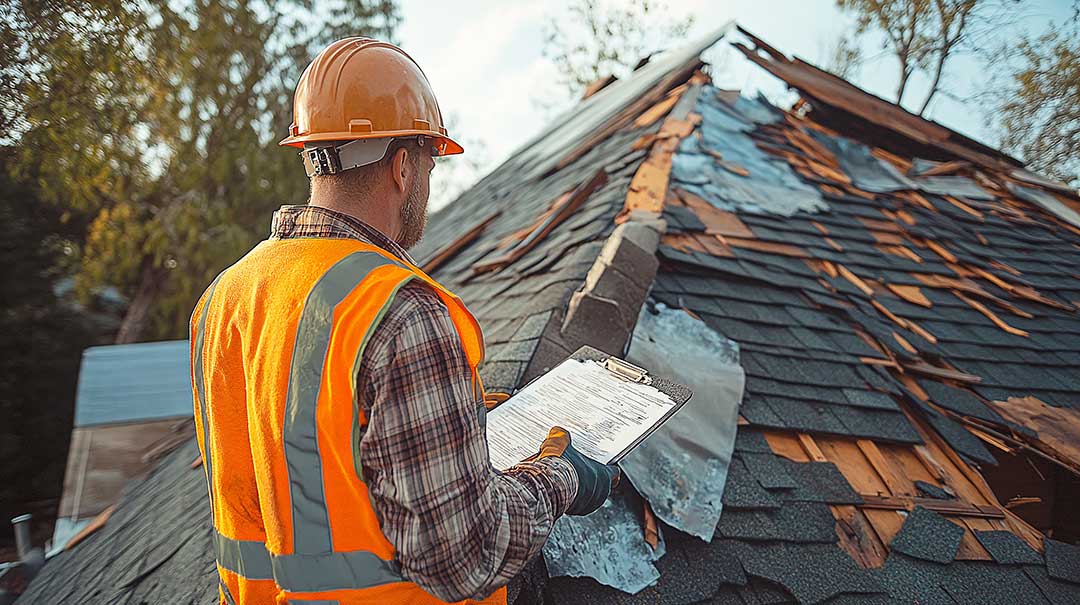
Lenders and insurers may require proof of repairs before finalizing a mortgage or providing coverage. Roof neglect can be a deal-breaker for buyers or mean more time and expense getting a home ready to sell.
Are There Seasonal Concerns Unique to Amsterdam?
Locally, winter snow loads and freeze-thaw cycles add extra stress to aging roofs. Ice dams can force water beneath shingles, while heavy, wet spring snows can amplify leaks or speed up roof deterioration already underway. Leaves, maple seeds, and other debris in fall often clog gutters faster than homeowners realize, sending water back up under eaves or into attics.
Homes without regular seasonal checks are most at risk for undetected problems turning serious. Even newer roofs benefit from a close look after severe weather or major temperature changes.
What Maintenance Habits Help Avoid Costly Repairs?
Taking small, consistent steps keeps roof health from becoming a bigger issue:
- Inspect ceilings and attic spaces after major storms or sudden temperature swings.
- Keep gutters and downspouts clear, especially in mid-fall and early spring.
- Address missing or damaged shingles promptly.
- Check for signs of moss, mold, or dark streaks after wet seasons.
- Look for daylight in the attic that might signal a missing shingle or gap.
Avoid walking on the roof or attempting major repairs without safety precautions, particularly on steep or older roofs, to prevent injuries.
Why Is Early Attention the Best Protection?
In practical terms for the community, early attention to small roof problems almost always prevents larger, costlier issues. In Amsterdam, where winters bite and humidity lingers, a well-maintained roof helps preserve not only property value but also comfort and safety throughout the year.
