
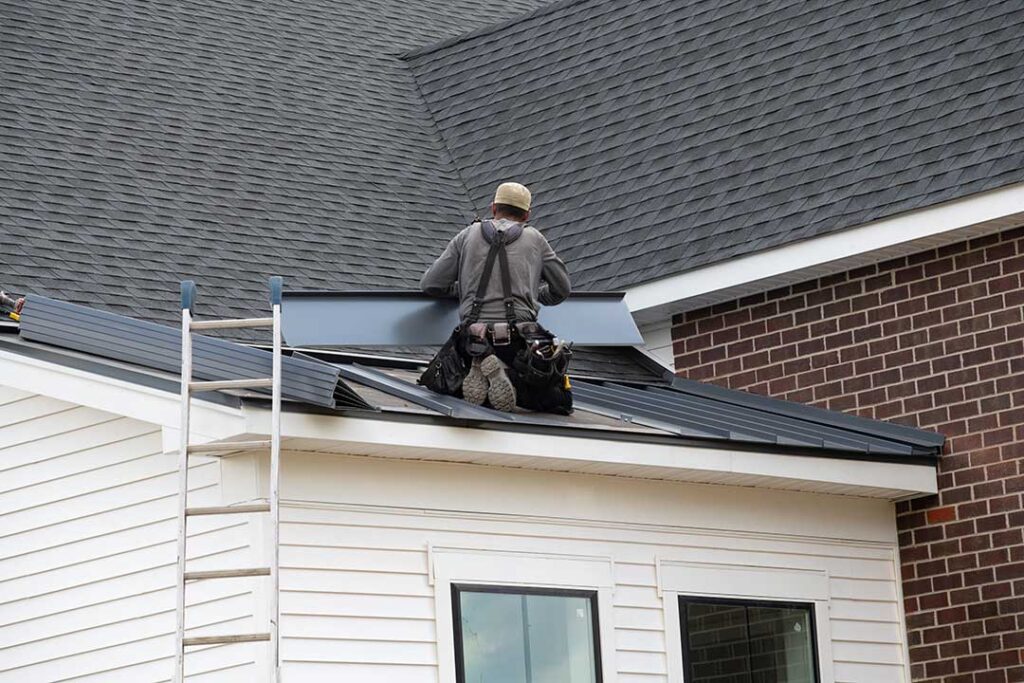
Solar panels can work well on many homes, but the roof beneath them must be evaluated first. The age, condition, structure, layout, and future repair needs of the roof all affect whether a solar installation is practical.
For homeowners in Amsterdam, NY, winter snow, freeze-thaw cycles, wind, and older housing construction deserve particular attention. Solar equipment is a long-term addition, so the roof should be able to support it for many years without creating avoidable maintenance problems.
Is my roof suitable for solar panels?
A suitable roof is generally structurally sound, has enough remaining service life, receives useful sunlight, and can accommodate the panels without interfering with drainage, ventilation, or emergency access.
A roof may need more evaluation if it has:
- Sagging areas or visible deflection
- Water stains, leaks, or damp attic insulation
- Missing, cracked, curling, or deteriorated shingles
- Soft decking beneath the roof covering
- Rusting metal components or damaged flashing
- Limited attic ventilation
- Heavy moss or organic buildup
- Multiple roof levels, dormers, valleys, or shaded sections
Solar panels do not repair roofing problems. In some cases, they can make future repairs more complicated because panels and mounting equipment may need to be removed before a section of roof can be replaced.
Should the roof be replaced before installing solar?
A roof that is near the end of its expected service life may be better replaced before panels are installed. This is especially relevant when the roof has older asphalt shingles, recurring leaks, or a history of patching.
Solar panels commonly remain in service for decades. Installing them on a roof that may need replacement within a few years can create additional labor, removal, storage, and reinstallation costs. It can also increase the chance that flashing or attachment points will be disturbed during later roofing work.
That does not mean every older roof requires replacement. The decision depends on the actual condition of the roof, the type of covering, the quality of previous repairs, and the expected timing of future maintenance. A roof inspection should distinguish between cosmetic aging and conditions that could affect watertightness or structural performance.
Can a roof support the added weight?
Most properly designed roofs can support a rooftop solar system, but the question should be answered through a structural review rather than assumption.
Panels, rails, fasteners, and support components add dead load to the roof. In a snow-prone area, the design must also account for snow loads, drifting, wind uplift, and the way snow may accumulate around roof features or panel rows.
The roof framing, sheathing, connections, and foundation-related load path may all matter. Older homes may have framing that differs from modern construction, previous alterations, enclosed porches, additions, or areas that were not originally designed for additional equipment.
A structural review is particularly important when:
- The roof has visible sagging
- The home has an addition or unusual framing
- The roof is shallow, heavily snow-loaded, or difficult to access
- The structure has a history of settlement or major remodeling
- Solar panels would be installed over a garage, porch, or other separately framed area
Snow should not be treated as a minor issue. Panels can change how snow slides, drifts, or sheds from a roof. The design should account for both the weight of the system and local winter conditions.
How does roof shape and direction affect solar production?
Roof orientation, pitch, shading, and available area all influence how much electricity a solar array can produce. A roof does not have to face one exact direction to be useful, but some roof planes receive more consistent sunlight than others.
Nearby trees, chimneys, dormers, neighboring structures, and taller roof sections can cast shadows during portions of the day or year. Even partial shading may affect production, depending on the system design.
Complex roofs can reduce the amount of uninterrupted space available for panels. Valleys, hips, ridges, skylights, plumbing vents, and roof access paths may require gaps between panels. These details also affect flashing and maintenance.
A roof layout should preserve:
- Drainage paths and roof valleys
- Required clearances around edges and ridges
- Access for firefighters and maintenance
- Existing vents and mechanical penetrations
- Safe pathways for inspection and repair
Filling every open section of roof with panels is not always the best design. A smaller, well-planned array may be easier to maintain and less likely to interfere with the roof system.
How are solar panels attached to a roof?
Most rooftop systems use attachments that connect through the roof covering and into structural framing. Those attachment points must be properly located, sealed, and flashed.
The roof covering alone is not the structural support. Fasteners need to connect to suitable framing, and penetrations need weather-resistant detailing. Poorly installed attachments can lead to leaks, water intrusion, damaged sheathing, or premature deterioration around mounting points.
A sound installation also avoids placing attachments in vulnerable locations, such as damaged decking, deteriorated shingles, roof edges, or areas where water naturally collects. The mounting plan should be coordinated with the roof’s existing flashing and ventilation features.
What permits and code requirements apply?
Rooftop solar work in Amsterdam requires building permitting, and installations must comply with applicable local zoning requirements and New York State building and fire codes. Permit requirements are separate from utility interconnection requirements.
The design and permit process may address:
- Structural capacity and roof loading
- Snow and wind resistance
- Electrical safety
- Roof access and pathways
- Firefighter access and ventilation
- Equipment placement
- Required inspections
- Connection to the electrical system
Local requirements can change, so permit information should be confirmed before work begins. A project that appears simple from the ground may involve several code considerations once the roof, electrical system, and structural framing are reviewed together.
What happens if the roof needs repair later?
Solar panels can be removed and reinstalled, but the process requires planning. Roofing work may involve temporarily disconnecting equipment, removing mounting hardware, protecting panels during storage, and restoring weatherproofing before the system is put back in service.
Before installation, homeowners should understand how future roof repairs may be handled. Questions worth clarifying include:
- Which roof areas will be covered by panels?
- Can individual shingles or sections be repaired without removing the array?
- How will flashing be inspected?
- Will roof warranties address areas beneath the mounting system?
- What happens if a leak develops near an attachment point?
- How will equipment be protected during later roofing work?
Keeping records of the roof condition, panel layout, attachment locations, and installation details can make future maintenance easier.
Does snow need to be removed from solar panels?
Usually, snow removal is not routinely necessary, and climbing onto a roof to clear panels can create fall and equipment hazards. Panels are installed at an angle, and sunlight may help snow slide or melt over time.
However, heavy snow can shed suddenly from panels and create a hazard near doors, walkways, parked vehicles, or lower roof sections. Ice dams and roof-edge buildup can also affect drainage.
Homeowners should avoid using sharp tools, salt, or improvised methods that could scratch panels, damage wiring, or harm the roof covering. The safest approach depends on roof height, pitch, snow conditions, and the system design.
What should homeowners check before moving forward?
A practical evaluation should consider the roof and the solar system together. Before installation, review:
- Roof age and remaining service life
- Evidence of leaks or moisture
- Shingle, membrane, or metal roof condition
- Attic framing and ventilation
- Snow and wind exposure
- Shading throughout the year
- Roof access and emergency clearances
- Permits and inspections
- Future repair and panel-removal procedures
- Electrical service capacity and equipment location
The central question is not simply whether panels can fit on the roof. It is whether the roof can safely support the system, remain weather-tight, and stay maintainable through the seasonal conditions common in the community.
