
Roofing vocabulary can make inspections, repair discussions, and maintenance decisions easier to understand. For homeowners in Amsterdam, NY, knowing a few basic terms also helps when evaluating weather-related wear from snow, ice, wind, rain, and seasonal temperature changes.
What are the main parts of a residential roof?
A roof is a system of layered materials, not just the visible shingles. Each part has a specific job in keeping water out and protecting the structure below.
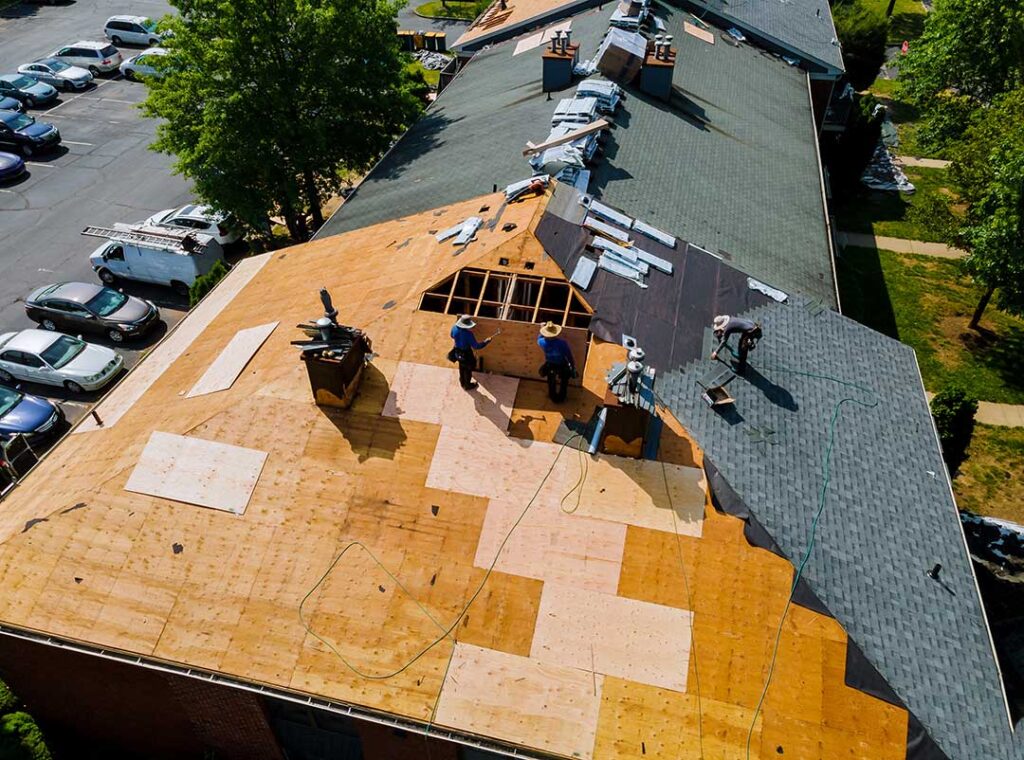
- Roof deck: The structural surface, usually made from plywood or oriented strand board, attached to the roof framing. Shingles and underlayment are installed over it.
- Roof framing: The rafters or trusses that support the deck and transfer the roof’s weight to the walls.
- Eave: The lower horizontal edge of a sloped roof, where water typically flows toward the gutters.
- Rake: The sloped edge along the side of a gable roof.
- Ridge: The highest horizontal line where two sloped roof surfaces meet.
- Valley: The inside angle where two roof sections meet. Valleys carry a significant amount of runoff and require careful waterproofing.
- Soffit: The underside of the roof overhang.
- Fascia: The vertical board along the roof edge, often behind or below the gutters.
Damage to one component can affect others. For example, a leaking gutter may saturate the fascia, while poor ventilation can contribute to moisture problems near the roof deck.
What is the difference between shingles, underlayment, and flashing?
Shingles are the outer weathering layer, but they are only one part of the roof’s water-shedding system.
Shingles are overlapping pieces installed from the lower edge upward. Asphalt shingles are common on residential homes, while other roofs may use metal, slate, wood, or synthetic materials. Shingles are designed to shed water rather than form a completely waterproof surface by themselves.
Underlayment is a protective layer installed between the roof deck and the shingles. It provides secondary protection if wind-driven rain or melting snow gets beneath the outer covering. Older roofs may have felt underlayment, while newer installations often use synthetic materials.
Flashing consists of thin pieces of metal or other durable material installed around areas where water could enter, including:
- Chimneys
- Plumbing vents
- Skylights
- Roof-to-wall intersections
- Valleys
- Dormers
- Edges around roof penetrations
Flashing problems are a common source of leaks because these locations interrupt the roof’s continuous surface. A roof may appear sound from the ground while a failed flashing joint allows water into the attic or wall cavity.
What does roof pitch mean?
Roof pitch describes how steeply a roof rises compared with how far it extends horizontally. It may be written as a ratio, such as 6:12, meaning the roof rises six inches for every twelve inches of horizontal distance.
Pitch affects several practical issues:
- How quickly water and snow move off the roof
- Which roofing materials are suitable
- How much attic space is available
- How difficult and hazardous the roof is to walk on
- How much wind exposure certain roof sections receive
A low-slope roof sheds water more slowly and may require different materials or installation methods than a steeply pitched roof. Homeowners should not assume that products or repair methods suitable for one roof pitch are appropriate for another.
What is roof ventilation, and why does it matter?
Roof ventilation allows air to move through the attic or roof assembly. A balanced system commonly includes intake ventilation near the soffits and exhaust ventilation near the ridge or another high point.
Ventilation helps control heat and moisture. During winter, warm indoor air can enter a cold attic through gaps around light fixtures, attic hatches, wiring, or ductwork. If that moisture condenses on cold surfaces, it can contribute to mold, wood deterioration, and wet insulation.
During summer, ventilation can help reduce heat buildup in the attic. However, ventilation alone cannot correct air leaks from the living space. Air sealing and insulation are also part of proper attic moisture control.
A common misconception is that more exhaust vents automatically improve a roof. If intake ventilation is inadequate or vents are poorly arranged, additional exhaust openings may not solve the underlying problem.
What are ice dams?
An ice dam is a ridge of ice that forms along a roof edge and prevents melting snow from draining into the gutters. Water can then move beneath shingles and enter the roof or wall assembly.
Ice dams are often linked to uneven roof temperatures. Heat escaping from the house warms upper roof areas, while roof edges remain colder. Snow melts above the cold edge and refreezes there.
Conditions that may contribute include:
- Inadequate attic insulation
- Air leakage from the living space
- Poor ventilation
- Heavy snow followed by freezing temperatures
- Clogged or obstructed drainage paths
Gutters do not usually cause ice dams by themselves, although blocked gutters can worsen drainage problems. Removing snow or ice from a roof can be hazardous and may damage shingles, so climbing onto an icy roof is not a safe routine maintenance task.
What is flashing, and how is it different from drip edge?
These terms are sometimes confused.
Flashing protects joints, transitions, and penetrations where water could enter. It is shaped and installed according to the location it protects.
Drip edge is a type of metal edge flashing installed along the eaves and often the rakes. It helps direct water away from the roof deck and fascia while supporting clean drainage into the gutters.
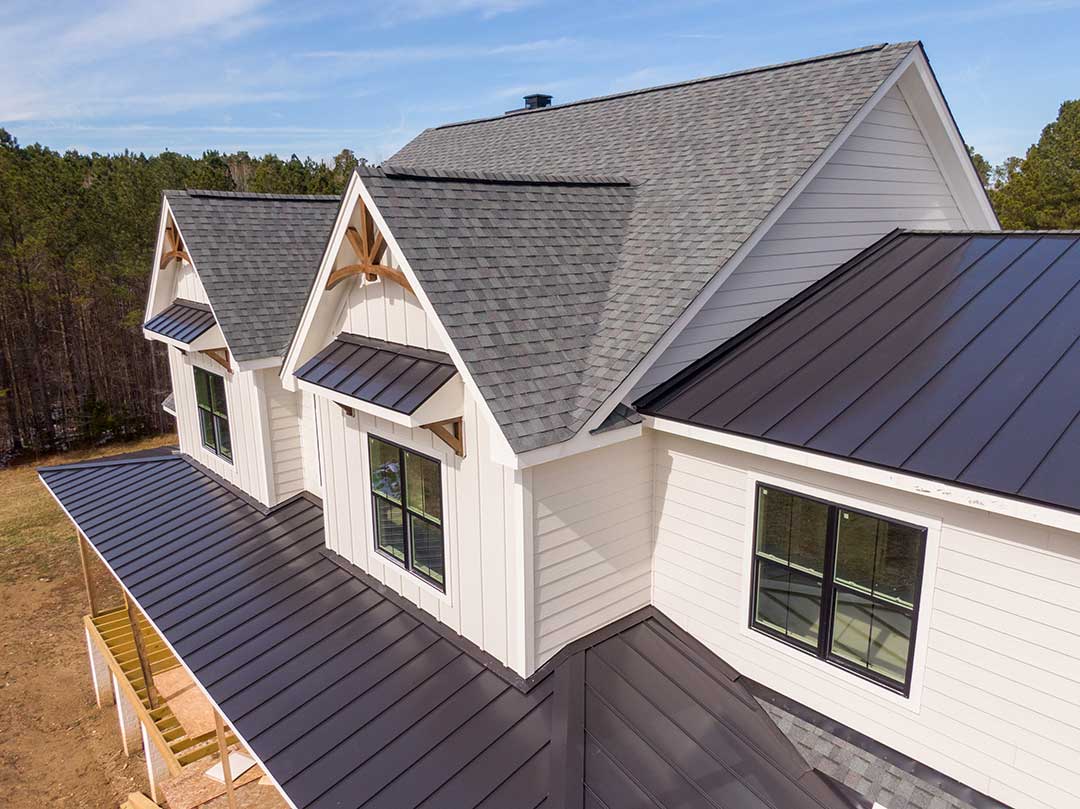
If the drip edge is missing, improperly positioned, or damaged, water may reach the roof deck or wood trim instead of flowing cleanly into the gutter system.
What do roof valleys and ridge caps do?
A valley collects runoff from two roof slopes and directs it downward. Because valleys handle concentrated water flow, worn or poorly installed valley materials can lead to leaks even when nearby shingles appear intact.
Ridge caps are specialized shingles or manufactured pieces installed over the roof ridge. They protect the highest seam and are shaped to cover the transition between slopes.
Ridge caps should not be confused with ridge vents. A ridge cap sheds water; a ridge vent allows air to escape from the attic when the ventilation design calls for it.
What does roof flashing around a chimney protect?
Chimney flashing creates a water-resistant transition between masonry and roofing materials. It may include base flashing along the chimney, step flashing along the sides, and counterflashing built into the masonry or installed over the upper edge.
Mortar joints can deteriorate through repeated freezing and thawing. If chimney masonry or flashing is damaged, water may enter the attic, ceiling, or wall near the chimney. A stain on an interior ceiling does not always appear directly below the actual entry point because water can travel along framing before becoming visible.
What is the difference between a roof repair and a roof replacement?
A repair addresses a limited problem, such as a damaged flashing section, a small area of missing shingles, or a localized leak. A replacement removes the existing roofing layers, or part of them, and installs a new roof covering system.
The right approach depends on more than the roof’s age. Relevant factors include:
- The extent of damaged or deteriorated materials
- The condition of the roof deck
- The number and location of leaks
- Previous repairs
- Ventilation and insulation conditions
- Whether the existing roof has multiple covering layers
- Local building requirements that may apply
A roof can be relatively old and still have serviceable sections, while a newer roof may develop serious problems after storm damage or installation defects. Age is useful background information, but it is not a complete diagnosis.
Which warning signs deserve attention?
Some roof problems are visible from the ground or inside the home. Watch for:
- Missing, cracked, curled, or badly worn shingles
- Granules collecting in gutters
- Sagging roof lines
- Water stains on ceilings or upper walls
- Damp insulation or musty attic odors
- Daylight visible through the roof deck
- Rusted or separated flashing
- Peeling paint near roof edges
- Gutters pulling away from the fascia
- Repeated ice buildup along the eaves
After heavy wind, snow, or ice, a ground-level visual check can identify obvious concerns. Roof surfaces become especially hazardous when wet, icy, or covered with snow. Structural sagging, active interior leaks, exposed roof decking, or electrical components near water require prompt attention because they may involve more than cosmetic damage.
Why should homeowners keep roofing records?
A simple record can make future maintenance easier. Note the approximate installation date, roofing material, known repairs, leak locations, storm events, and photographs taken from safe ground-level positions.
These details help distinguish recurring problems from isolated damage. They also provide useful background when comparing observations over time, particularly in a climate where repeated freeze-thaw cycles and winter weather can stress roof edges, flashing, gutters, and attic assemblies.
