
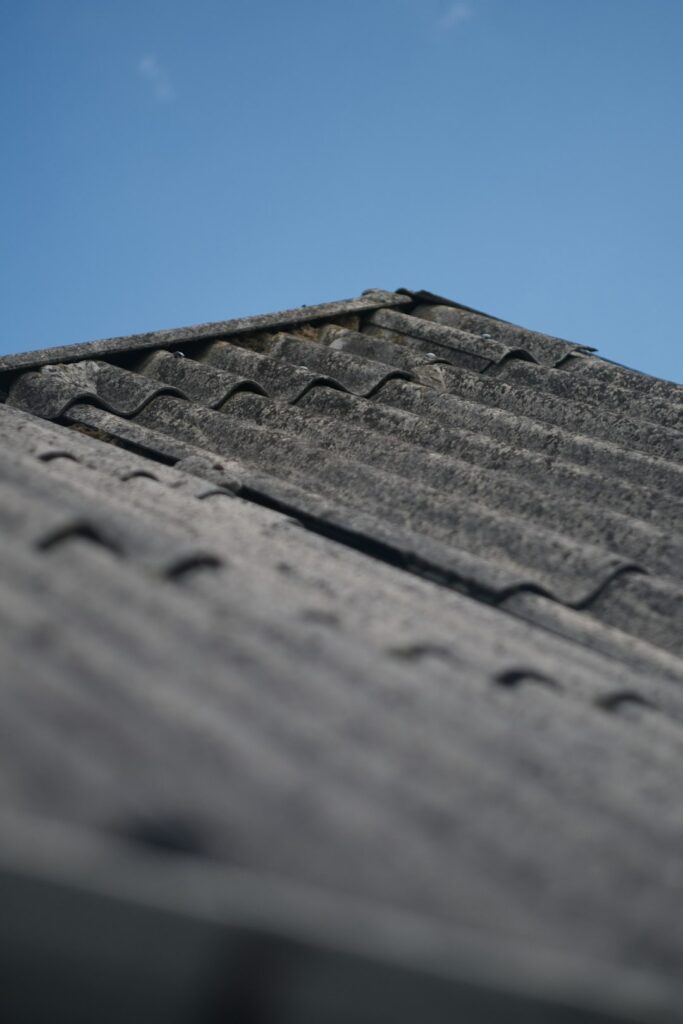
Strong wind does not need to remove an entire roof to create a serious problem. Gusts can lift shingles, loosen flashing, damage vents, and allow water to enter areas that may not be visible from the ground. In Amsterdam, NY, seasonal weather can make wind-related roof damage especially concerning during thunderstorms, winter storms, and periods of rapidly changing temperatures.
What parts of a roof are most vulnerable to wind?
The edges and transition points of a roof usually experience the greatest wind stress. Wind pressure can get underneath loose materials and gradually weaken the roof system.
Common vulnerable areas include:
- Shingle edges, especially along eaves, rakes, and ridges
- Ridge caps covering the highest points of the roof
- Metal flashing around chimneys, walls, vents, and roof valleys
- Vent covers and exhaust components
- Gutters, downspouts, and fascia boards
- Areas where an older roof meets a newer addition
- Roofing materials that were already cracked, curled, or poorly sealed
Wind can act differently across the same roof. A section protected by nearby structures may remain undamaged while an exposed slope receives enough force to lift several shingles. Corners and roof edges often experience more turbulence than the broad central field of the roof.
How does severe wind damage shingles?
The most visible form of wind damage is a missing or displaced shingle, but many problems are less obvious. Wind may lift a shingle without removing it completely. This can break the adhesive seal or loosen the fasteners underneath.
A shingle may appear to be in place while its lower edge is raised. Once the seal is broken, later gusts can lift it farther. Rain can then travel beneath the shingle and reach the underlayment or roof deck.
Typical signs include:
- Shingles found in the yard, driveway, or against fencing
- Dark or irregular patches where shingles have shifted
- Exposed nails or lighter-colored areas beneath lifted shingles
- Torn tabs or creases across shingle surfaces
- Rows of shingles that appear uneven
- Granules collecting near downspouts after a storm
Not every loose shingle causes an immediate leak. However, exposed roof materials can deteriorate quickly when rain, snow, ice, and repeated freezing temperatures reach them.
Can wind cause roof leaks even when shingles are still present?
Yes. A roof can leak even when no large section appears to be missing. Wind-driven rain may enter through lifted shingle edges, damaged flashing, open seams, or displaced vent coverings.
Leaks may not appear directly below the damaged area. Water can travel along roof decking, rafters, insulation, or interior framing before reaching a ceiling. This is why a small stain on an upper-floor ceiling may be connected to damage several feet away.
After a severe wind event, check interior areas for:
- New ceiling stains or brown discoloration
- Damp attic insulation
- Dripping around light fixtures or ceiling penetrations
- Peeling paint or bubbling drywall
- Musty odors in attic or upper-floor spaces
- Moisture around chimneys, skylights, or vent openings
Water intrusion can continue after the wind has stopped, particularly when rain follows the original storm.
Why do older roofs often suffer more wind damage?
Age alone does not determine whether a roof will withstand a storm, but older roofing materials may have less flexibility and weaker adhesive bonds. Years of sunlight, temperature changes, snow, ice, and moisture can gradually reduce the strength of shingles and flashing.
A roof may also have hidden weaknesses from earlier repairs, repeated exposure, or poor ventilation. Shingles that have become brittle may crack rather than bend under wind pressure. Fasteners can loosen, and sealant around penetrations can dry out or separate.
This does not mean every older roof needs replacement after a windy day. It does mean that age, condition, installation quality, and previous maintenance all affect how a roof responds to severe weather.
How can snow and ice make wind damage worse?
Winter conditions can add weight and create opportunities for water to enter. Snow may conceal missing shingles or damaged flashing, making a roof appear intact from the ground. Ice can also form beneath roofing materials and interfere with normal drainage.
In the Mohawk Valley area, wind may accompany wet snow, freezing rain, or rapid temperature changes. These conditions can stress shingles and metal components at the same time. Ice buildup along roof edges may pull on gutters and fascia, while wind pushes against roofing materials above.
After a winter windstorm, inspection may need to wait until roof surfaces are safe. Walking on snow-covered, icy, or visibly damaged roofing can cause falls and additional damage.
What should residents check from the ground?
A ground-level inspection can identify warning signs without creating unnecessary risk. Use binoculars if needed, and look from several sides of the building.
Check for:
- Missing, lifted, or crooked shingles
- Exposed underlayment or roof decking
- Bent or detached gutters
- Loose soffit or fascia panels
- Damaged chimney flashing
- Debris resting on the roof
- Leaning vents or broken vent covers
- Tree limbs touching or hanging over the roof
- Shingle granules concentrated below downspouts

Do not climb onto the roof to investigate after a storm. Wet roofing, hidden structural damage, and loose materials can make the surface unsafe.
What should be done if wind damage is suspected?
First, document what can be seen safely. Photographs from the ground can help record the condition of the roof, gutters, siding, windows, and nearby trees. Note the approximate date of the storm and whether debris was found on the property.
Inside the building, place containers under active drips and move furniture or belongings away from wet areas. If water is near electrical fixtures, avoid touching the fixture or nearby wiring and use caution before entering the area.
Temporary protection may be necessary when an opening is allowing water inside, but roof access should be avoided during dangerous weather. A qualified roof inspector or other appropriate building professional may be needed when materials are loose, the roof deck is exposed, or structural damage is suspected.
Insurance documentation can be easier when photographs, storm dates, repair records, and a written description of visible damage are kept together. Policies differ, so coverage should be reviewed directly rather than assumed.
Can minor wind damage be ignored?
Minor damage should not automatically be treated as an emergency, but it should not be dismissed. A single lifted shingle can allow repeated moisture entry, and a loose flashing component may worsen during the next storm.
The most urgent situations involve:
- Active interior leaking
- Exposed roof decking
- Large areas of missing roofing
- Sagging roof sections
- Damaged chimneys or vents
- Trees or branches resting on the roof
- Electrical hazards caused by water
- Roofing materials hanging over walkways or entrances
A roof can remain functional after a storm while still needing timely attention. Early documentation and safe observation help prevent a small opening from becoming widespread moisture damage.
How can wind resistance be improved before the next storm?
Routine maintenance reduces vulnerabilities. Keep gutters clear so water can drain, trim branches that could strike the roof, and watch for curling, cracked, or missing shingles during normal seasonal checks.
Attic ventilation and insulation also deserve attention. Excessive heat and moisture in an attic can shorten the life of roofing materials and contribute to uneven deterioration. Flashing, sealants, vents, and roof edges should be included in periodic inspections rather than overlooked because the main shingle field appears sound.
Severe wind is not always preventable, but early detection can limit the amount of water and structural damage that follows.
