

How Long Does a Roof Typically Last in Amsterdam, NY?
Most roofs in Amsterdam, NY last between 15 and 30 years, but this range can vary widely depending on the roof type and specific local conditions. Factors like seasonal weather, proper installation, and ongoing maintenance have a significant impact on the lifespan of roofs in this region.
What Types of Roofs Are Most Common Locally, and How Long Do They Last?
Local homes often feature asphalt shingles, metal roofing, or sometimes older slate, each with a different lifespan:
- Asphalt shingles (the city's most common roofing material): Usually 15-25 years, though architectural shingles may reach 30 years if properly maintained.
- Metal roofs: Typically 30-50 years. They last longer but are less common on older residential properties.
- Slate or tile roofs: Rare for most area homes but can last 50 years or more if kept in good repair.
Flat roofs on some garages or additions might only last 10-20 years, especially if they use standard rubber membranes.
How Do Amsterdam’s Climate and Weather Affect Roof Longevity?
Amsterdam experiences four distinct seasons, with snowy winters, wet springs, and warm, humid summers. This climate gradually wears out roofing materials:
- Winter snow and ice: Freeze-thaw cycles can damage shingles, flashings, and gutters. Ice dams may weaken roof edges if attics are poorly insulated.
- Wind and heavy rain: Periodic storms may rip off shingles or expose seams.
- Summer heat: Temperature swings can cause roofing materials to expand and contract, hastening wear.
Homes in tree-lined neighborhoods may also face algae and moss growth, which can degrade shingles over time.
What Leads to a Roof Wearing Out Faster Than Expected?
A roof’s service life can be shortened by several factors, some unique to the local community:
- Poor attic ventilation: Trapped hot air and moisture speed up aging and can cause warping.
- Accumulated debris: Leaves and branches in gutters or on shady roofs keep surfaces moist, encouraging mold, rot, and deterioration.
- Improper installation: Even high-quality materials won’t last if installed incorrectly.
- Neglected maintenance: Minor issues like cracked or missing shingles can quickly escalate if unchecked.
Older homes, common in Amsterdam’s historic neighborhoods, may have layers of roofing or outdated materials, both of which can reduce longevity.
How Can Homeowners Tell If a Roof Is Nearing the End of Its Life?
There are several signs a roof may need to be replaced soon:
- Shingles that are curling, cracked, or missing
- Granules washing off asphalt shingles and ending up in the gutters
- Noticeable daylight through attic boards
- Frequent leaks or water stains on ceilings and walls
- Moss or mold spreading across the roof surface
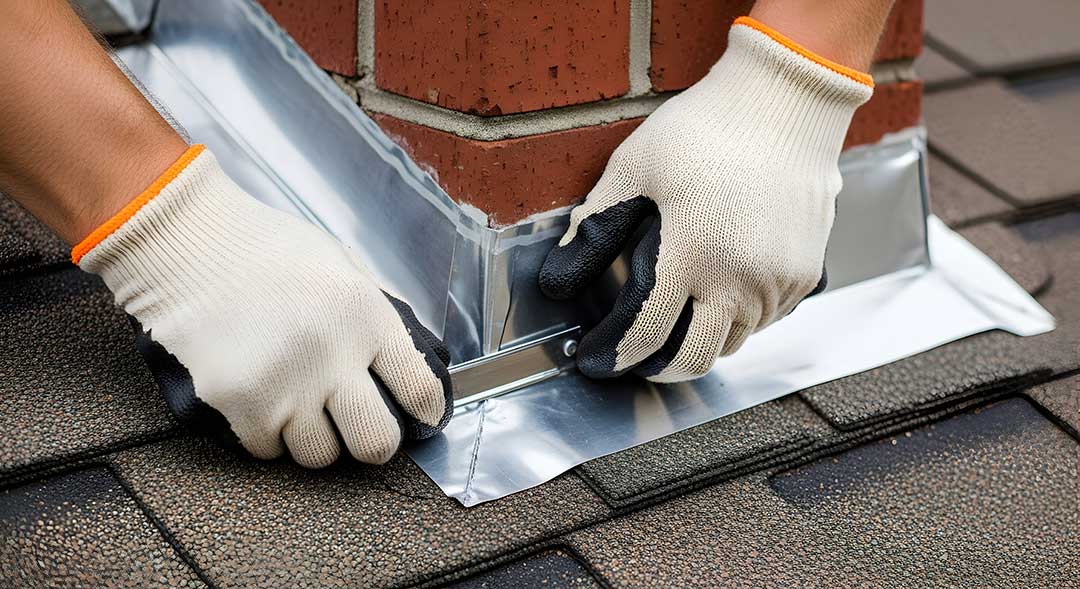
Local residents often find that after a heavy seasonal storm, visible damage on roofs in their area is a warning sign—especially if homes were built around the same period.
Does Roof Maintenance Play a Role in Lifespan?
Routine care can maximize a roof’s usable years. In the city, periodic gutter cleaning (especially after fall leaves or spring pollen), prompt repairs of loose shingles, and keeping tree limbs trimmed back can prevent premature damage.
Regular roof inspections—in early spring after snowmelt, and again in the fall—help catch issues before they require more costly repairs.
Are There Local Regulations or Neighborhood Considerations?
Most neighborhoods in Amsterdam do not require special roofing permits unless a full replacement is being done. However, historic homes may need materials that conform to local preservation guidelines. Keeping up with basic exterior standards can also help maintain neighborhood property values.
What Are Common Misconceptions About Roof Longevity?
Many homeowners believe a roof will last as long as the manufacturer’s maximum warranty—this is rarely the case. Local weather, attic conditions, and maintenance habits usually mean the actual lifespan is several years shorter. Another frequent misconception is that new shingles can always be layered on top of old ones; in reality, adding layers often voids warranties and accelerates wear.
Practical Tips for Area Households
For homeowners in the community looking to extend the life of their roofs:
- Keep gutters clear throughout the year
- Schedule visual roof checks after major storms or high winds
- Immediately address small leaks from any ceiling stain, even if minor
- Clear overhanging branches that could brush or damage shingles
- Stay informed about local snow and wind advisories during extreme weather
Understanding the specific conditions in Amsterdam, as well as how different materials react to those conditions, is the best way to plan for roof longevity and protect your home investment.
