
How Do Animals Impact the Roofs of Homes in Amsterdam, NY?
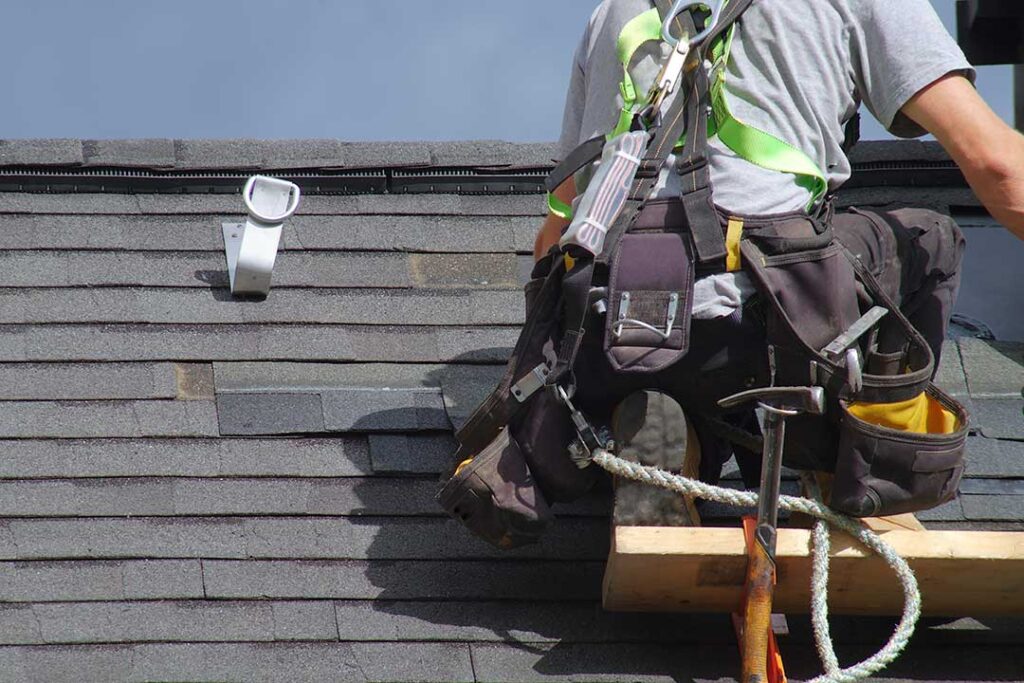
Small animals and birds are a common part of the environment in Amsterdam, NY, and they often interact with the rooftops of area homes. Their activity can lead to various forms of roof damage, especially in older or tree-lined neighborhoods. Animals can weaken roofing materials, block drainage, and create entry points for water and pests.
Which Animals Are Most Likely to Cause Roof Problems Locally?
Squirrels, raccoons, birds, and bats are the most frequent culprits when it comes to roof-related issues in the city. Occasionally, pets such as energetic cats or dogs may also contribute to minor roof wear if they gain rooftop access.
- Squirrels often chew through shingles or create entry holes for nesting.
- Raccoons seek shelter in attics, sometimes prying up shingles or loosening flashing.
- Birds build nests in gutters, vents, or under loose tiles, clogging water flow.
- Bats may roost in or near attics, accessing small gaps at rooflines.
- Pets can cause granule loss from shingles if allowed to walk or play repeatedly on the roof.
What Types of Roof Damage Do Animals Typically Cause?
Animals can inflict both visible and hidden harm. Most problems develop gradually. Local examples include:
- Dislodged or cracked shingles
- Chewed eaves or fascia boards
- Gutter clogging from nesting materials or droppings
- Water intrusion from large entry holes
- Insulation disturbance leading to energy loss
In Amsterdam’s climate, freeze-thaw cycles can worsen minor exterior damage as water seeps in and expands.
How Can Residents Spot Animal Activity Before It Leads to Major Issues?
Early detection is key. Catching animal intrusion or damage early reduces the risk of expensive home repairs. Residents should look for:
- Unusual noises, especially scratching or scampering, near the attic or roofline
- Visual signs, such as shingle lifting, small holes, nesting debris in gutters, or animal tracks
- Droppings or animal hair near entry points
- Sagging, blocked gutters or downspouts
- Daylight visible through the attic ceiling or roof boards
Regular, safe observation from ground level or through attic access points can help with monitoring.
Are Certain Roof Types More Vulnerable in Amsterdam?
Metal, asphalt shingle, and slate roofs are all present throughout the community. Asphalt shingle roofs are the most susceptible, as their edges can be lifted or chewed through more easily than metal or slate. Older homes or those surrounded by mature trees, which provide easy access points, are particularly at risk.
Roofs with multiple dormers, valleys, or intersecting lines tend to accumulate leaf litter and nesting sites that attract wildlife.
Can Routine Maintenance Reduce Animal-Related Issues?
Consistent upkeep goes a long way in preventing problems. Area residents often find the following practices help:
- Keeping tree branches trimmed at least six feet away from the roof
- Clearing gutters and downspouts twice a year, especially after the autumn leaf drop
- Repairing loose or missing shingles promptly
- Sealing gaps around vents, chimneys, and eaves with wildlife-resistant materials
- Using chimney caps and vent covers designed to exclude animals
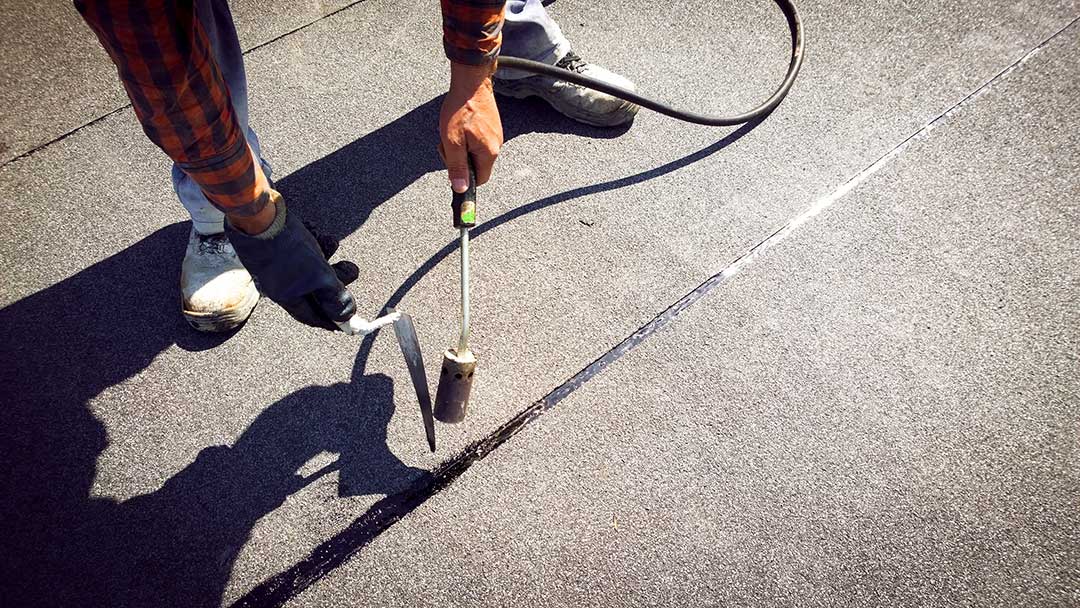
Addressing these details is especially important in the fall, ahead of winter when animals are more likely to seek shelter.
What About Local Regulations or Wildlife Considerations?
Many animals impacting local roofs are protected by state or federal wildlife laws. For example, bats and certain bird species cannot legally be removed during their breeding seasons. Residents should avoid direct intervention that could harm wildlife or violate regulations. Humane prevention and prompt repair of openings are the best approaches.
If an animal is trapped, injured, or nesting in an unsafe location, residents can contact local animal control or wildlife rehabilitators for guidance instead of attempting removal themselves.
Common Misconceptions Regarding Animals and Roof Damage
Some residents assume that animals rarely visit roofs or will only nest in visibly open areas. In fact:
- Animals often exploit even tiny gaps; bats can squeeze through openings as small as half an inch.
- Squirrels or raccoons may revisit previously patched holes if repairs aren’t robust.
- Many issues occur under eaves or inside attics, out of direct view.
Believing that pets never reach the roof can also be misleading; agile cats or small dogs sometimes access garages, sheds, and low first-story roofs.
Practical Steps for Local Households
While every home is unique, area households can keep their roofs in better condition by:
- Scheduling regular roof checks, especially after storms or heavy winds
- Keeping the perimeter of homes free of stacked wood, overhanging branches, or easy “bridges” for climbing animals
- Not leaving pet food or unsecured garbage outside, as this attracts both wildlife and strays to the property
- Taking care when hanging holiday decorations or accessing the roof for chores to avoid disturbing hidden nests
- Learning seasonal patterns: animal activity increases in early spring (nesting) and late autumn (seeking winter shelter)
Paying attention to small changes around the home makes a significant difference in preventing animal-related roof troubles.
