

What’s the Safest Way to Hang Roof Lights in Amsterdam, NY?
The safest way for local homeowners to hang lights on a roof is by using clips specifically designed for this purpose, thoroughly planning the project, and practicing sound ladder safety. Winters here bring wet, icy, or snowy roof surfaces that can increase the risk of slips and falls, so caution and proper timing are essential.
Hanging lights is a seasonal tradition for many residents, especially during the long Upstate winters when festive displays are most popular. Starting with a calm, dry day is key—ice, frost, rain, and even gusty wind can turn a simple task into a dangerous one. It’s always best to work during daylight hours to avoid visibility issues, and to let another adult know you’re working on the roof, even if you don’t require direct help.
What Roof Areas Are Safest for Hanging Lights?
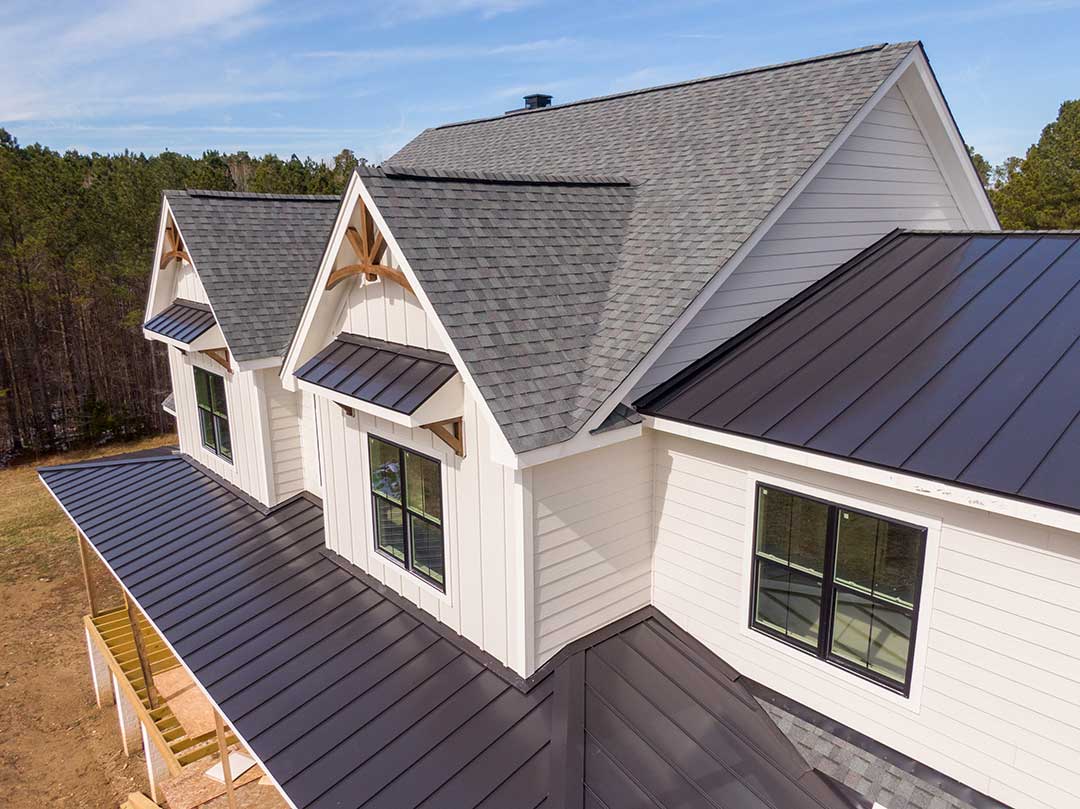
Lights should always be attached to the eaves, gutters, or fascia boards rather than shingles or other critical roofing components. Attaching directly to roofing materials can cause leaks, lift shingles, or create ice-dam risks—problems that are especially unwelcome during the freeze-thaw cycles in this region.
Designate your light display in advance:
- Use eaves and gutters for lining lights horizontally along your home.
- Avoid walking or stepping on pitched roof portions, particularly if there’s any moisture, frost, or snow.
- Never puncture or permanently alter your roofing or trim.
Which Tools and Materials Do Local Homeowners Need?
Most area households will need only a few basic supplies:
- Plastic roof or gutter clips (never nails, screws, or staples, which can damage both the roof and gutters)
- An extension ladder with slip-resistant feet, tall enough for the project
- Weather-proof extension cords rated for outdoor use
- A heavy-duty timer, if desired
Before starting, inspect your ladder thoroughly. Place it on level, solid ground—cleared of snow or ice. For two-story homes or any scenario where the roof is dangerously slippery or steep, residents should reconsider whether it’s safe enough to proceed.
How Can Ladder Safety Prevent Accidents?
Before climbing, check the weather forecast for the day and hour you plan to install your lights. Set your ladder at a 75-degree angle, and extend it at least three feet above the roofline for safe access. Always:
- Face the ladder while climbing
- Maintain three points of contact (two feet, one hand)
- Have another adult outside holding the base if possible
Avoid reaching too far sideways—moving the ladder frequently is slower but far safer. Wind can also be a surprise hazard, especially in open areas or during sudden winter gusts.
Are Certain Types of Lights Better for Our Climate?
LED lights provide a longer lifespan and safer, cooler operation—ideal for displays during the freezing, often damp winters experienced in the community. Ensure any lights and cables are listed for outdoor use, with proper seals around connectors to prevent moisture entry.
Frequent thaw-freeze cycles in the area mean wires and bulbs can contract and expand. Check for fraying, cracks, or loose sockets each season before rehanging any lights to head off shorts or electrical fires.
What Common Mistakes Should Local Residents Avoid?
A few frequent errors can lead to costly roof repairs, electrical hazards, or neighbor complaints:
- Never use nails, staples, or adhesive hooks designed for indoor use; these can leave holes or cause stuck-on residue that traps moisture.
- Avoid laying wires across high-footfall areas where people or pets could trip.
- Double-check all extension cords are rated for outdoor use and kept off walkways.
The area’s snow-removal practices mean outdoor light cords should never block path clearing or create tripping hazards for postal delivery or maintenance workers.
Can Hanging Lights Damage a Roof?
Improper installation—especially in homes with older shingles or worn gutters—can cause leaks, torn shingles, or bent gutters. The most frequent causes of accidental roof damage when hanging lights in the area include:
- Stepping on fragile or aging roofing materials
- Puncturing the waterproof barrier
- Allowing cords or clips to wedge water under shingles, increasing ice dam risk
An annual visual inspection of your roof after the holiday season can help catch any minor shifts or damage before winter weather complicates repairs.
What Are the Rules or Guidelines for Outdoor Display Lighting Locally?
While local building codes generally don’t regulate holiday or seasonal lighting, care should be taken not to direct spotlights or displays into neighbors’ windows or create driving distractions along busier streets in residential areas. Residents of rowhouses or duplexes should coordinate with their neighbors when planning extensive roof displays to avoid boundary disputes.
Following safe and neighborly lighting practices ensures the local tradition of beautifully illuminated streets can continue without incident or unintentional property damage.
